🍬 No added sugars
May 8, 2026 · ~3 min read
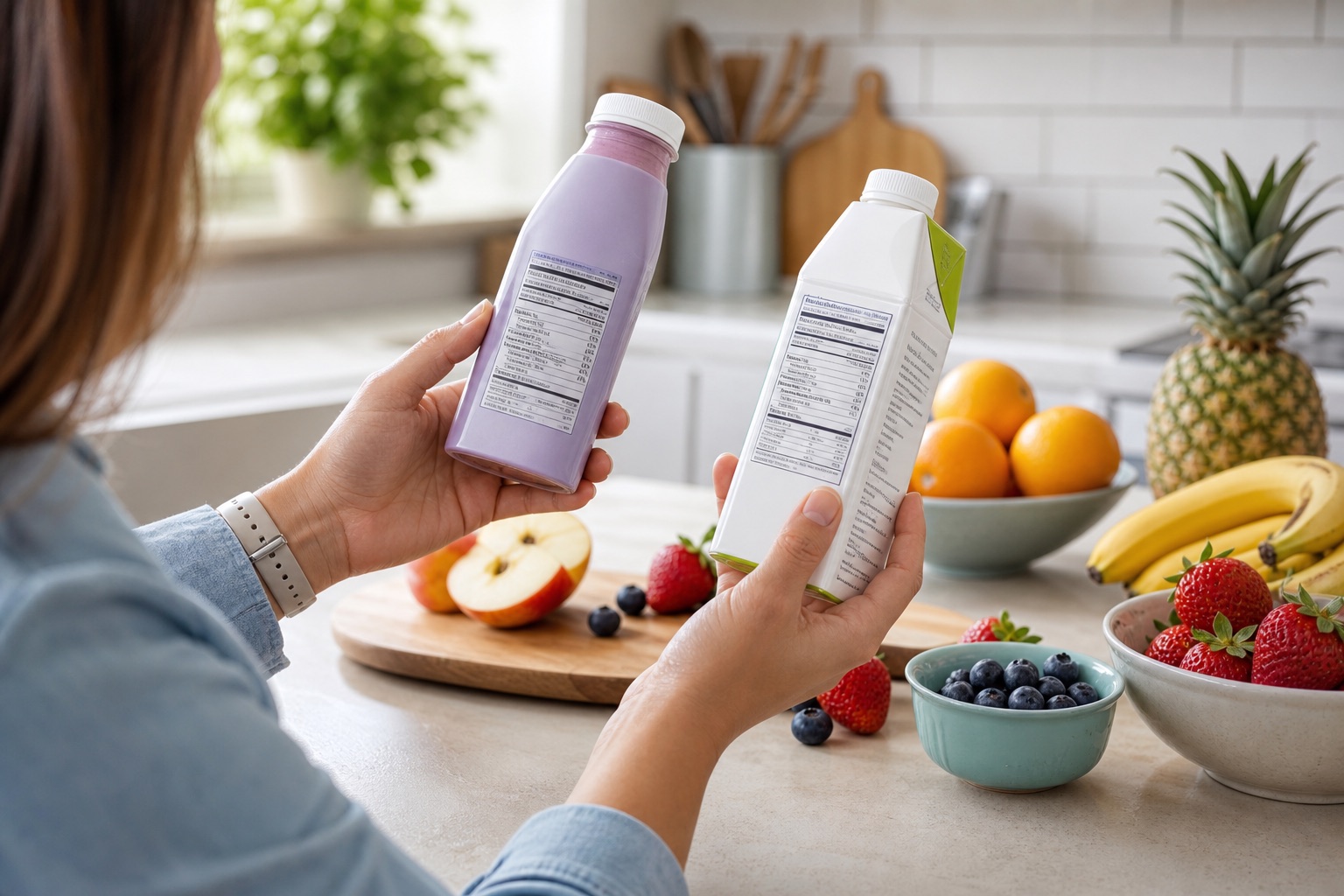
Why “no added sugar” is often a marketing shortcut-and how to read labels like a pro.
Millions of people buy into it every day, hoping to make a healthier choice for their kids. We see the colorful packaging, the clever signs, and we reach for what feels like the better option.
But today, let’s unpack what “healthy” marketing actually means, why the front of the package is almost never where the truth lives, and how to choose genuinely better foods without falling for the tricks.
#1. The Health Halo Effect
The food industry is excellent at using the health halo effect. They slap a feel-good phrase like “no added sugar” on the front so you assume the product is wholesome - and they’re betting you won’t flip the package over.
Here’s the reality:
- “No added sugar” does NOT mean “no sugar.”
- It simply means they didn’t add extra sugar during processing.
The sugar can still be there - coming from the fruit itself (juices, smoothies) or from sweeteners / sugar substitutes. Many companies now use alternatives to added sugars, which aren’t counted the same way on labels even though their long-term effects are still being studied.
Take Innocent as a classic example. Their innocent-sounding “we never add sugar” claim is technically true… but the nutrition panel often shows sugar per 100ml, while the actual recommended serving is 150ml. So those “11g of sugar” you see? You’re really getting closer to 17g when you drink the full bottle.
#2. The Naturalness Bias
In 2020, a French sugar brand called Daddy ran one of the most audacious ads I’ve ever seen:
“Daddy reminds you that sugar is a plant.”
They were tapping straight into the naturalness bias - the widespread belief that “natural = better.” Studies show most people instinctively trust anything that comes from nature.
But being natural doesn’t automatically make something healthy.
Sugar is natural too - whether it comes from sugar cane, sugar beets, agave, honey, dates, or orange juice. That doesn’t make it a free pass.
What I want you to remember
- The front of the package is marketing.
- The back is facts.
- Always flip it over.
Check the ingredients list first, then go to the nutrition label and look at Total Sugars. Pay close attention to the serving size so you know what you’re actually consuming.
If the total sugars are high, treat it as dessert - not a daily “healthy” staple.
This way you can make more informed choices for your family and use smart strategies when you want to reduce the glucose impact of what you eat.
You’ve got this. Small, aware decisions add up to big health wins. 💪
#GoVitamins #SugarAwareness #RealHealthyChoices