The Physiology of the Spoon - The Soup Strategy
July 18, 2026 · ~4 min read
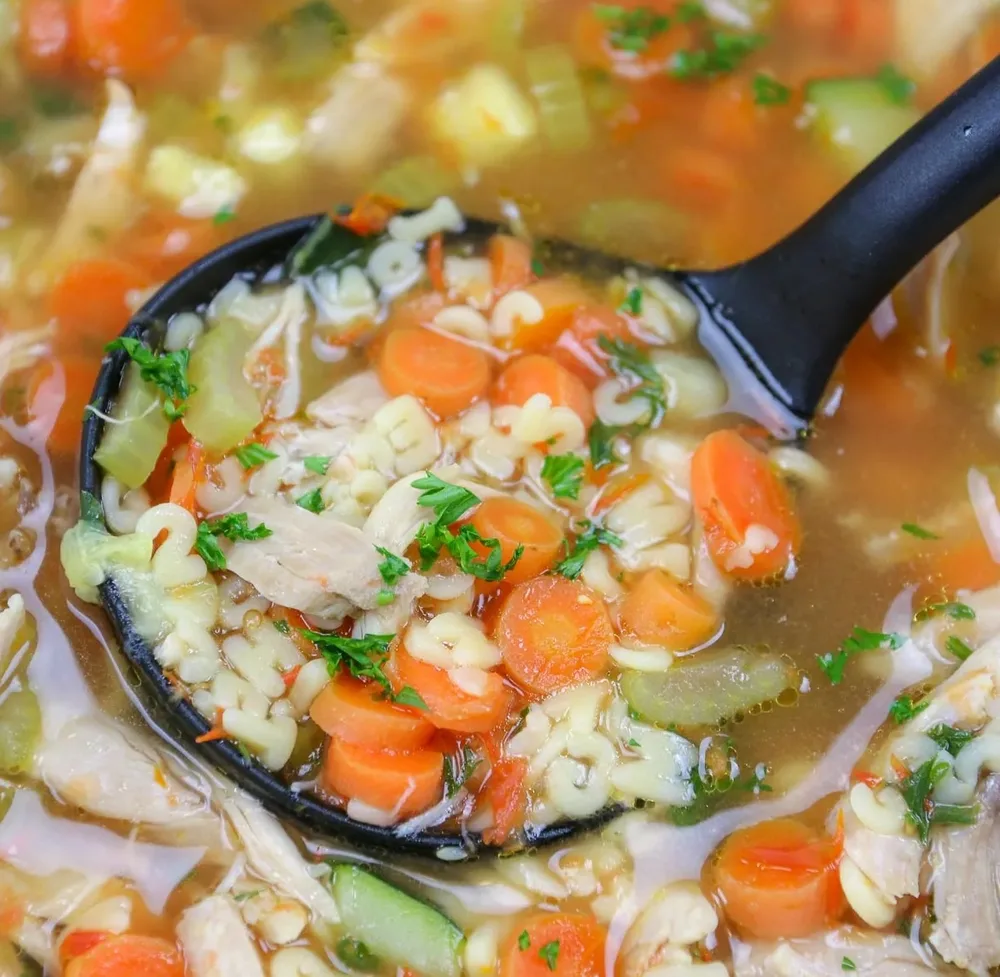
Whether you use soup as a gentle appetite 'warm-up' (Italian style), a natural 'lubricant' for dry bites (Japanese style), or a nutrient-dense main event (Scandinavian style), you’re doing more than feeding them you’re turning mealtime from a fight into a smooth, healthy routine.
The Physiology of the Spoon
We parents often get trapped by the "rules of our childhood":
“Eat your soup first, then you can have the rest.”
We intuitively feel that soup is healthy, but we rarely stop to think about how it actually works in a growing child’s body.
And if our little one refuses that bowl of “liquid,” we start to worry.
Let’s clear the air on why soup is much more than just “water with vegetables,” and how to turn a stressful lunch into a peaceful, enjoyable meal.
Myth-Busting:
Does Soup "Dilute" Digestion?
Many of us have heard:
"Don't drink while you eat; you'll dilute your stomach acid!"
This is a myth.
Our stomach isn't a simple glass of water that’s easily diluted.
Fluid consumed during a meal (or as part of a soup) doesn’t hinder digestion it aids it.
It softens food, helps salivary enzymes start their work, and ensures that the food moves comfortably through the digestive tract.
How Parents Feed Their Kids worldwide
It’s fascinating how different cultures approach a bowl of soup. Here is some inspiration from around the globe:
The Japanese Strategy:
"The Helping Hand"
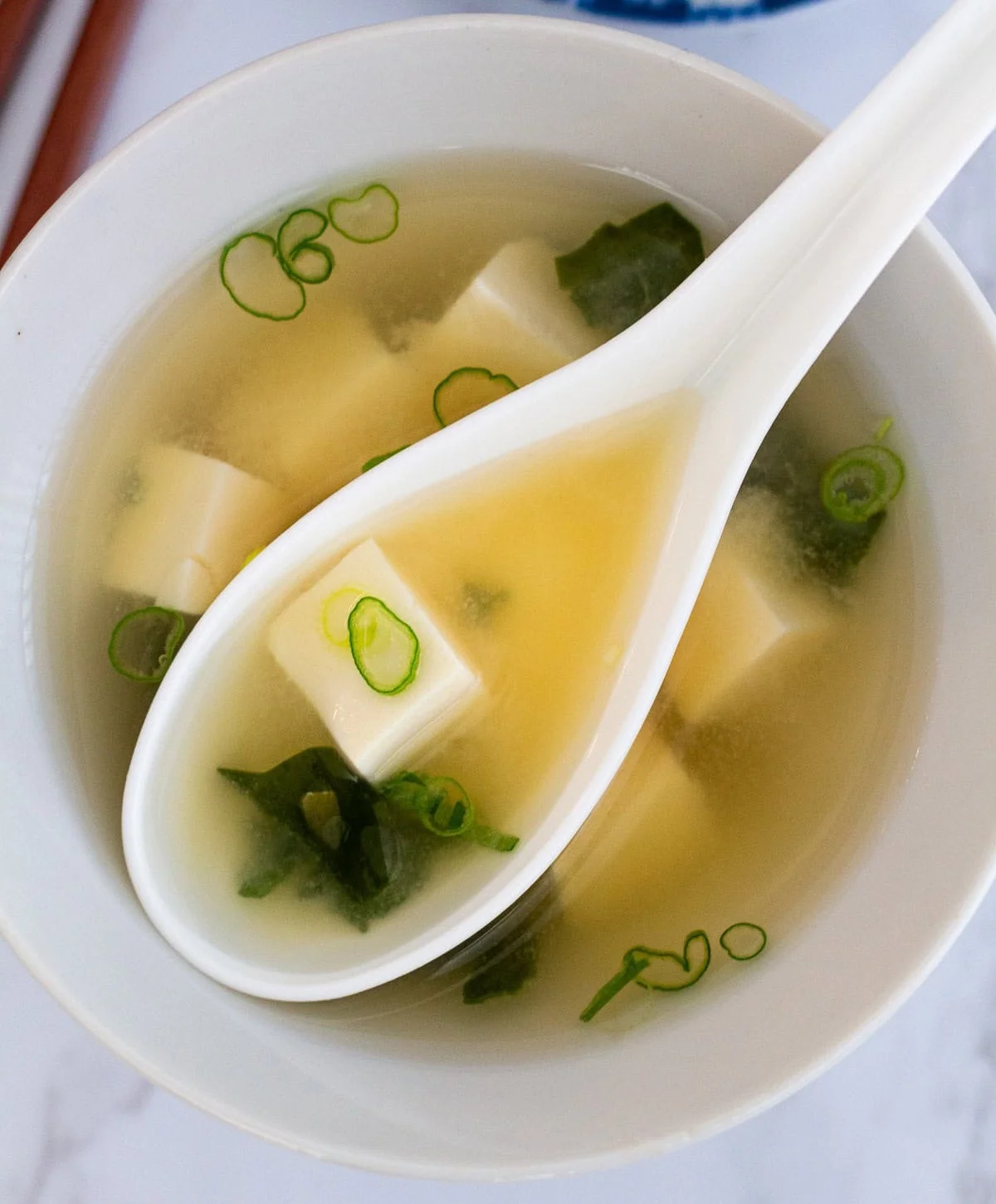
In Japan, children aren't forced to eat soup before the main course. Instead, they enjoy it alongside their rice. Think about it: a child eats a bite of (somewhat dry) rice, takes a sip of warm miso broth, and the food glides down effortlessly. This is a brilliant trick for kids who chew slowly or constantly ask to wash down dry food with water.
The Italian Strategy:
"The Starter Kickstart"
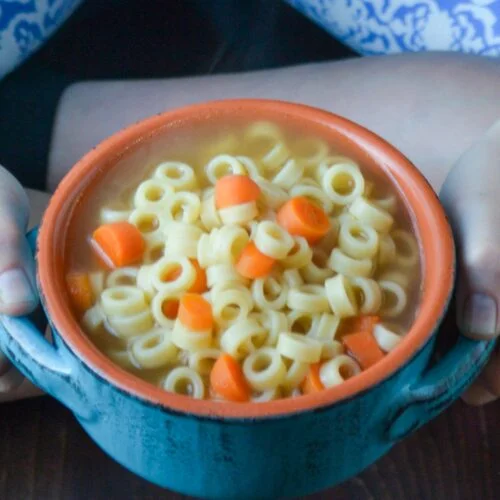
Italians believe in primo- a small portion of tiny pasta in a light broth served before the main dish. Isn't about filling the child up, it’s a gentle stomach "warm-up." Parents serve a tiny bowl of pasta in a light broth before the main dish.
The Scandinavian Strategy:
"Nutrient Power-Up"
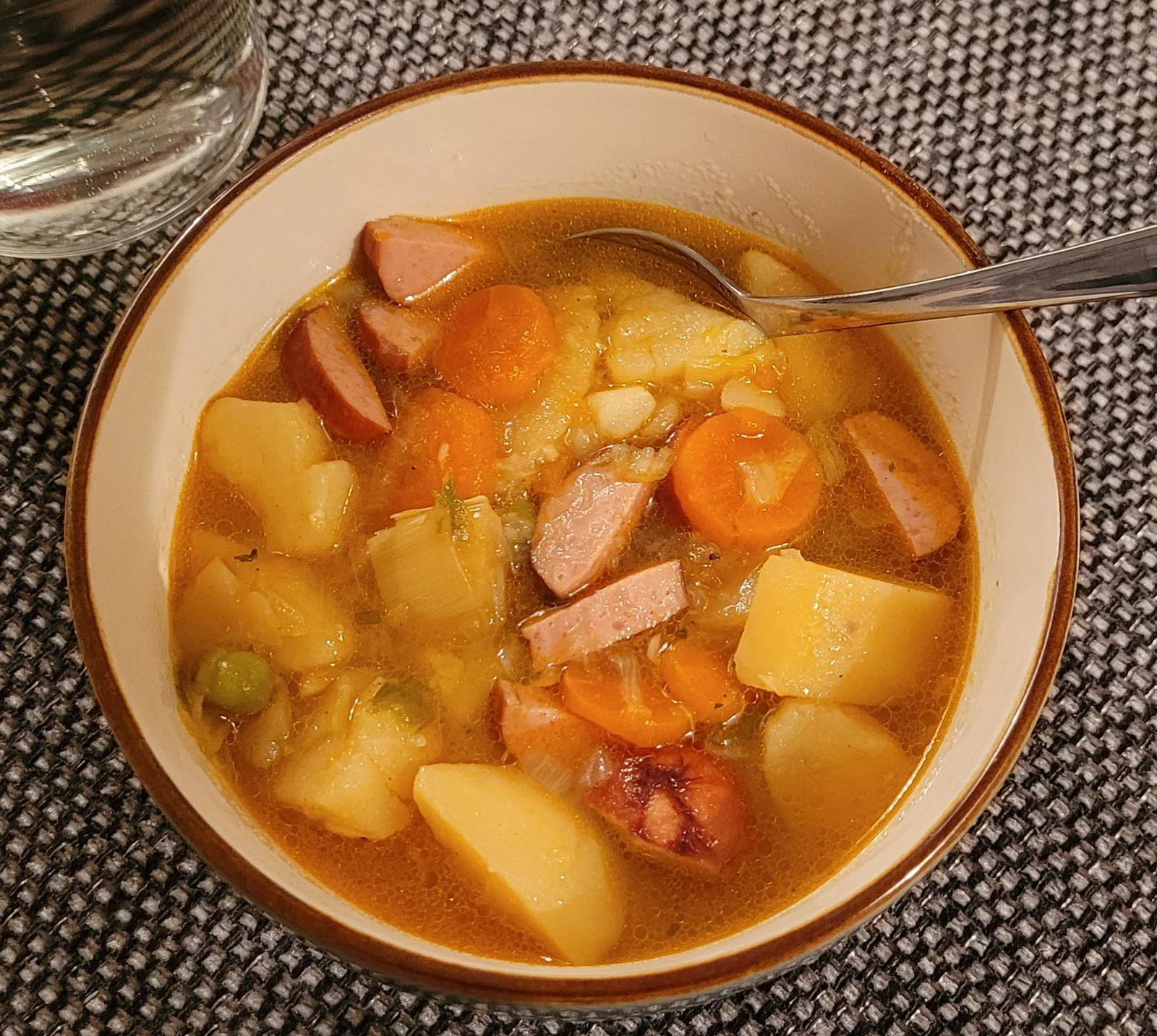
In Scandinavia, they don't mess around with "thin" soups. Their soups are thick, hearty, and almost stew-like. If your child refuses to eat meat and veggies separately, simply combine them into a thick, blended, or chunky soup. It saves time, reduces stress, and guarantees all the nutrients get into the child in one go.
A Practical Guide for Parents
If lunchtime has turned into a "spoon-negotiation", try changing your tactics based on your child’s personality:
-
If you have a "fussy eater": Don't force a giant bowl of soup-starter. Try the "Japanese method" offer them a beautiful, kid-sized mug with warm broth to sip during the meal. It takes the pressure off and makes the eating process smoother.
-
If they hate the sight of veggies: Your best friend is a blender. A creamy soup made with roasted vegetables (pumpkin, carrots, cauliflower) is often seen by kids as a "grown-up" meal, especially if you add crunchy croutons or a sprinkle of cheese on top.
-
If they get tired of chewing: Broths with tiny pasta shapes (stars, letters, or alphabet shapes) are a classic for a reason. It’s easy to chew, looks fun, and provides energy without overwhelming their digestive system.
The "Appetite Booster
Soup BEFORE the meal
Best for: Kids who aren't hungry or who skip veggies.
Why it works: A small, warm starter "wakes up" the stomach. Because they are hungry, they’ll happily eat the healthy veggies in the soup before moving on to the main dish.
The "Flavor Helper"
Soup DURING the meal
Best for: Kids who find dry food (like rice or plain chicken) hard to swallow.
Why it works: Sipping broth between bites acts as a natural "lubricant." It makes food easier to chew and swallow, and keeps their taste buds fresh so they don't get bored.
The "Power Bowl
Soup AS the main meal
Best for: Busy days or active kids who need a big energy boost.
Why it works: When the soup is packed with protein (meat, fish, or beans) and veggies, it becomes best for nutrition. It’s easy for their stomach to process and gives them everything they need in one go.